Why Mandurah’s Coastal Climate Makes Pest Control a Year-Round Priority
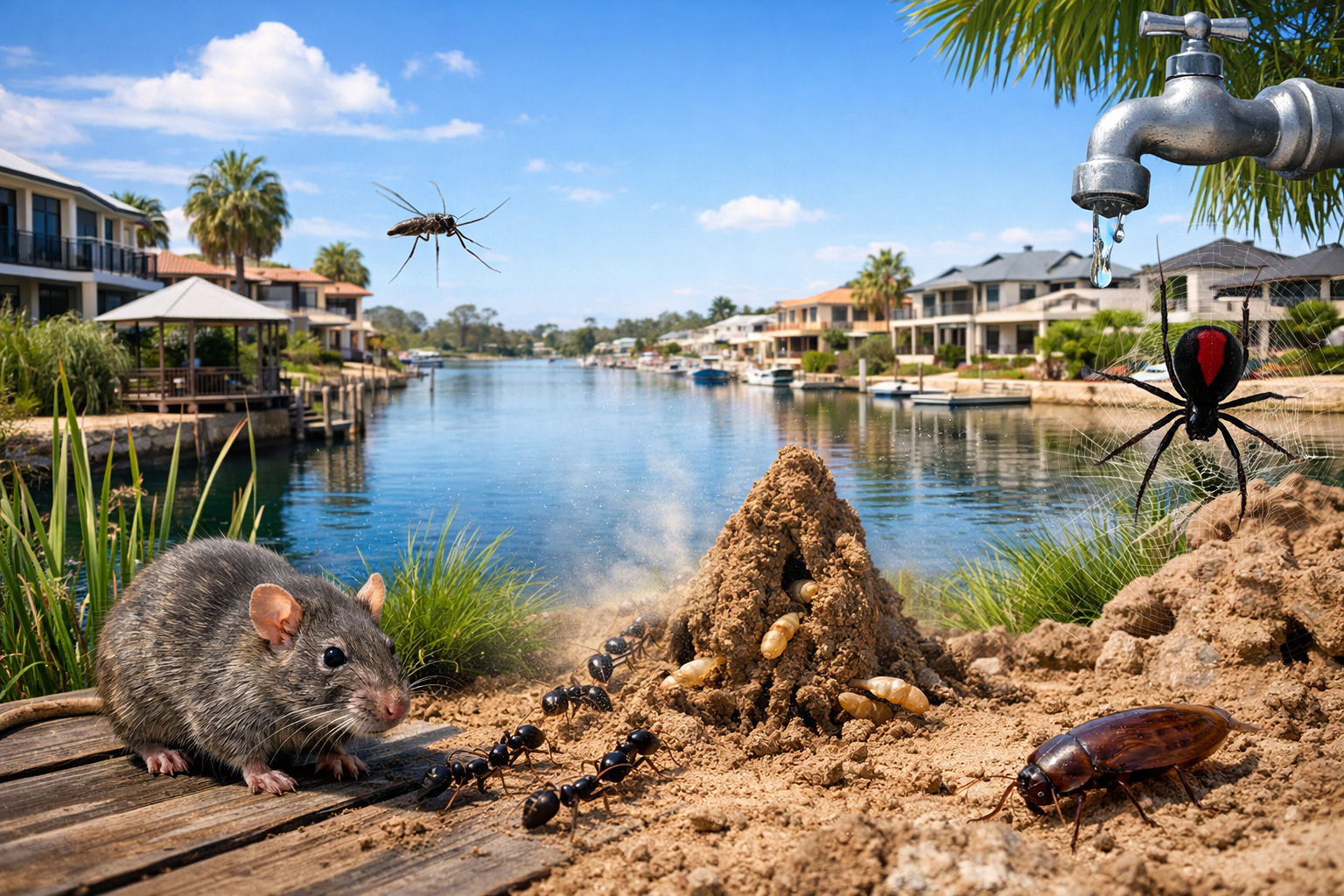
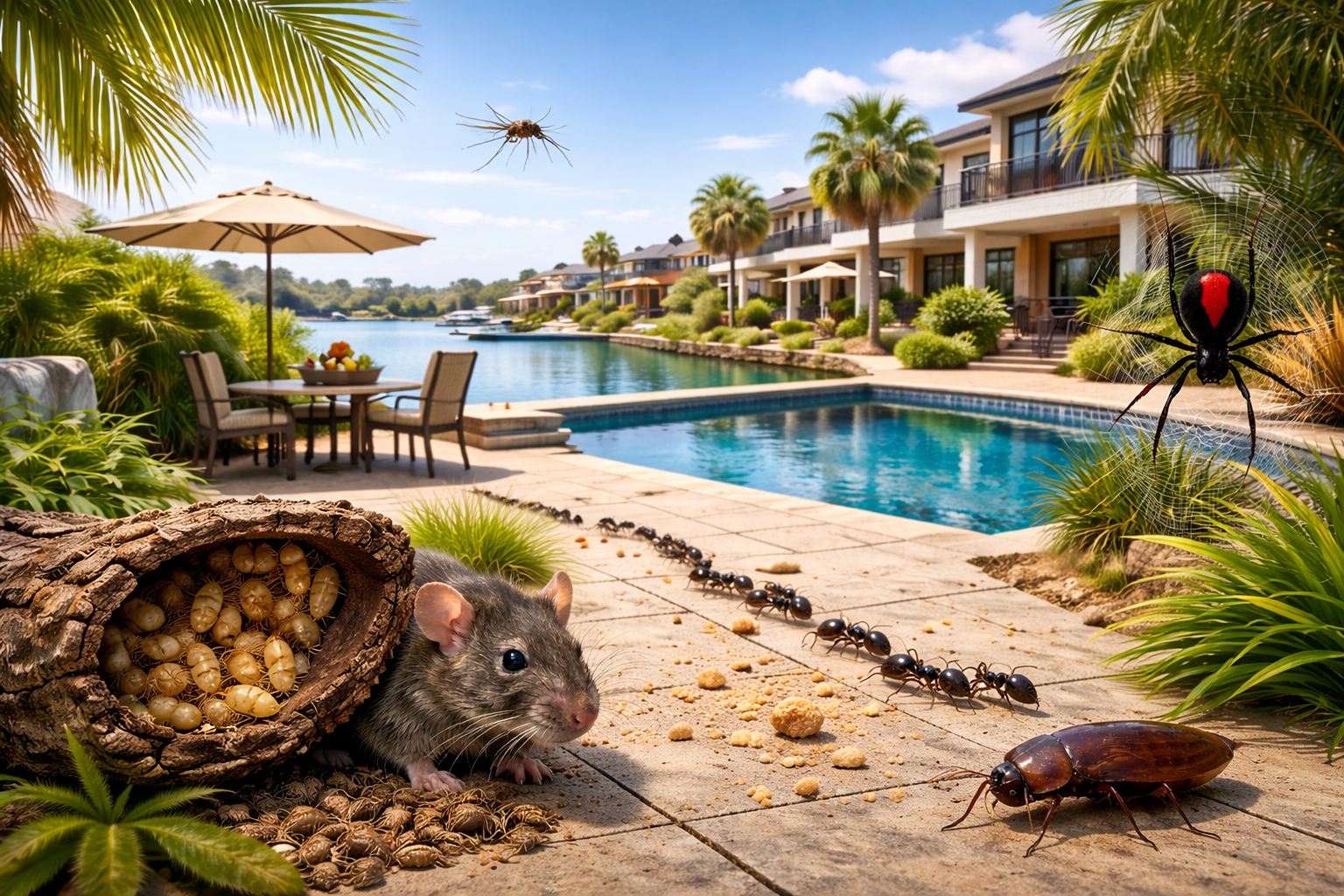
Living in Mandurah comes with undeniable lifestyle benefits — waterways, sea breezes, mild winters and warm summers. But that same coastal environment also creates ideal conditions for pests to thrive all year, not just during summer.
Humidity, estuaries, canals, sandy soils and consistent warmth all play a role in why pest activity in Mandurah rarely switches off. For homeowners and businesses alike, pest control isn’t seasonal — it’s ongoing.
The Coastal Climate Effect
Mandurah’s climate differs from inland WA in several key ways that directly impact pest behaviour:
Higher humidity due to proximity to the ocean, estuary and canals
Moderate winter temperatures, allowing pests to remain active
Waterways and wetlands, providing constant moisture and shelter
Sandy soils, which are ideal for burrowing insects and rodents
These conditions reduce natural die-off periods that pests experience in colder or drier regions.
How Humidity Drives Pest Activity
Humidity is one of the biggest pest attractants in coastal areas like Mandurah.
Moist environments support:
Ant colonies
Cockroach breeding
Spider populations
Silverfish and other moisture-loving insects
Even inside homes, humidity from bathrooms, laundries and kitchens creates perfect micro-climates for pests to settle in wall cavities and roof spaces.
Prevention tip:
Use exhaust fans regularly, fix leaking taps early, and avoid storing cardboard or paper in damp areas.
Waterways & Canals: A Pest Highway
Homes near the Mandurah canals, Peel Inlet and estuary experience higher pest pressure due to:
Constant moisture sources
Dense vegetation
Abundant food supply for insects and rodents
Rodents often travel along water edges, while insects use canal walls and decking as entry points into homes.
Common pests near waterways include:
Ants
Mosquito-attracting insects
Prevention tip:
Keep vegetation trimmed away from walls, secure decking gaps, and ensure external drains are clear and sealed.
Warm Weather Means Extended Breeding Seasons
Mandurah’s relatively mild winters mean many pests never fully go dormant.
Ant colonies continue expanding
Rodents breed year-round
Spiders remain active in sheds and roof spaces
Cockroaches seek indoor warmth rather than disappearing
Instead of a single “pest season,” Mandurah experiences overlapping pest cycles throughout the year.
Prevention tip:
Schedule preventative treatments before peak activity periods, rather than waiting until infestations appear.
Sandy Soils & Termite Risk
Sandy coastal soils are easy to tunnel through, making them highly attractive to termites.
Termites in Mandurah:
Travel underground undetected
Thrive in moist soil conditions
Often remain hidden until damage is severe
This makes regular termite inspections essential, even if no signs are visible.
Prevention tip:
Have a professional termite inspection annually, especially for homes built near bushland, waterways or older suburbs.
Why “Waiting Until Summer” Doesn’t Work
Many homeowners only think about pest control when insects become visible in warmer months. Unfortunately, by then:
Colonies are already established
Breeding cycles are well underway
Treatments may need to be more intensive
Year-round pest control focuses on prevention, not just elimination.
A Smarter Approach: Proactive Pest Control in Mandurah
A proactive pest management plan helps:
Break breeding cycles
Reduce long-term costs
Protect your home’s structure
Minimise health risks
Regular inspections and preventative treatments are far more effective than reacting to infestations once they’re visible.
Final Thoughts
Mandurah’s coastal lifestyle is one of its biggest strengths — but it also creates ideal conditions for pests to thrive year-round. Understanding how humidity, waterways and warm weather influence pest behaviour allows homeowners to take action before problems escalate.
If you live in Mandurah or the Peel Region, pest control isn’t a seasonal task — it’s an ongoing part of protecting your home.